
I’m Just a Bill... Trying to Ban Cellphones in Schools
by Allie Walker
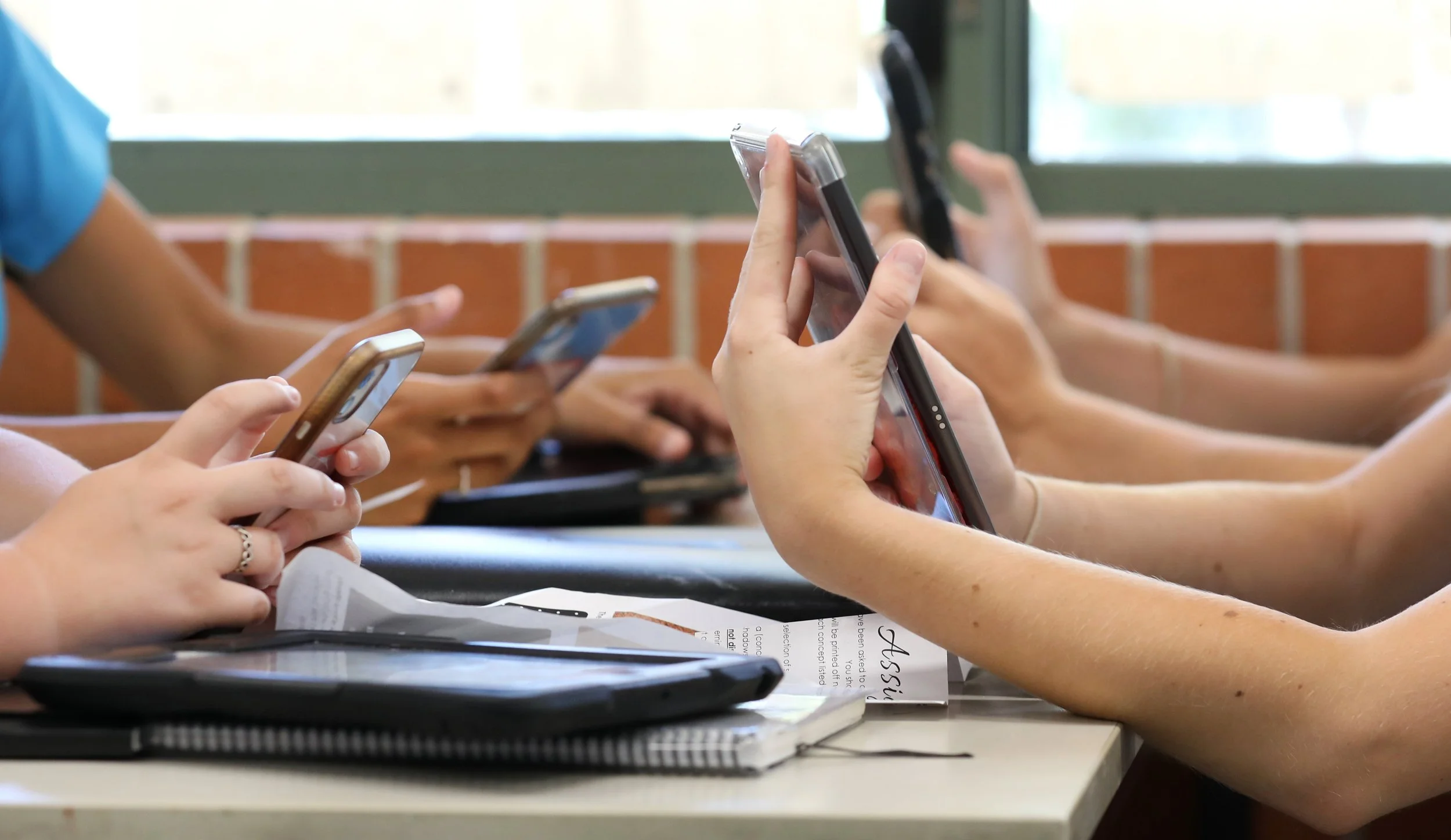
If you’ve been around Michigan politics long enough, you know the drill. A bill gets introduced. It gets debated. It gets amended, passed, paused, revived, and occasionally — finally — signed into law.
Right now, Michigan’s proposed classroom cellphone ban is at that familiar in-between moment. The Legislature has passed it. The next step is procedural but important: final agreement between the House and Senate so it can head to the governor’s desk. If that happens, districts would begin implementing policies for the 2026–27 school year.
On paper, this is a relatively straightforward education bill. In practice, it taps into something much bigger — our collective relationship with technology, attention, and leadership.
The goal of the legislation is simple enough: limit student cellphone use during instructional time, with reasonable exceptions for medical needs, emergencies, and teacher-directed learning. Districts would still have flexibility in how they enforce the policy. This is not a one-size-fits-all mandate, and it’s not an outright ban on devices in schools.
Supporters argue it’s about focus, learning, and mental health. And there’s plenty of data to back that up. Study after study shows that constant phone access in classrooms correlates with lower academic performance, higher distraction, and increased anxiety — particularly among younger students. Teachers report spending significant instructional time policing devices rather than teaching. Parents, regardless of political affiliation, routinely say they’re worried about how much time their kids spend on screens.
But here’s the uncomfortable truth: schools cannot solve a problem that adults are modeling every day.
If we want a real shift — not just a rule change — leadership has to extend beyond the classroom.
Adults check phones at the dinner table. Parents scroll during kids’ activities. We answer work emails during family time. We normalize constant connection, and then we’re surprised when kids struggle to unplug for 45 minutes of math.
That doesn’t mean the bill is wrong. It means it’s incomplete on its own.
Policy can set boundaries, but culture sets habits.
For this to work — truly work — parents and caregivers have to lead at home. That means consistent expectations around device use. It means modeling focus, presence, and limits. It means acknowledging that the same technology that connects us can also quietly erode attention, patience, and resilience if we let it.
This is where I think Michigan has an opportunity to do something rare: align policy with behavior.
Instead of framing this as “the state versus kids,” or “schools versus parents,” we could frame it as a shared reset. Schools create space for learning without constant interruption. Families reinforce that boundary at home. Communities talk honestly about what healthy technology use looks like — for adults and kids alike.
The next steps for the bill are procedural. The next steps for the rest of us are not.
If this legislation becomes law, the real measure of success won’t be whether phones are locked away during class. It will be whether we see improvements in focus, learning, and mental health — and whether adults are willing to examine their own habits alongside their children’s.
Bills can change rules.
People change outcomes.
And if we’re serious about preparing the next generation to think critically, focus deeply, and engage meaningfully with the world around them, that responsibility doesn’t stop at the schoolhouse door.